How limited edition prints are actually made — relief, intaglio, lithography, screenprint, explained one process at a time.
Aquatint
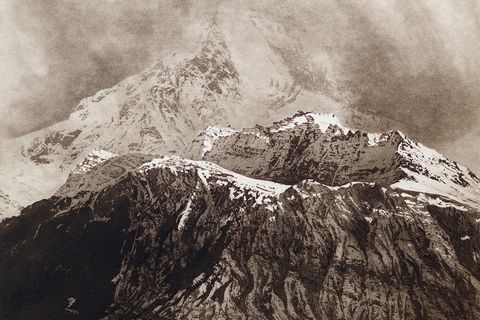
Every grey in an aquatint is a surface of bitten grain. We follow printmaker Ian Brooks from a jar of resin dust to the finished edition, with Goya along the way.
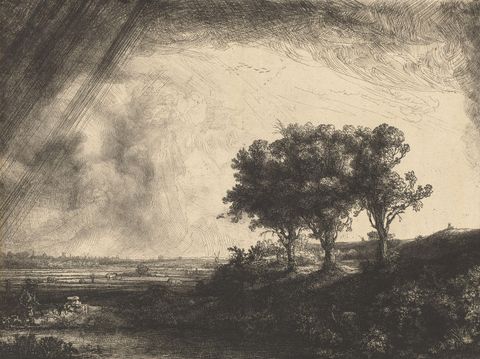
The intaglio technique in which acid bites the image into a metal plate — the medium of Rembrandt and Goya, and how to tell an etching from a reproduction.
Mezzotint works from dark to light: the plate is roughened until it prints solid black, and the image is scraped out of it. The fragile burr that makes those blacks is also why the editions are so small.
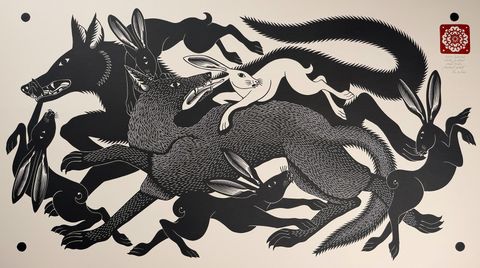
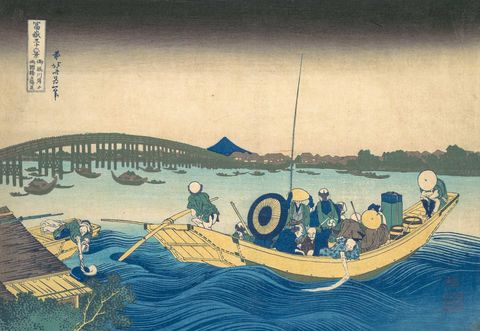
Woodcut is the oldest of the printmaking techniques — a collector's guide to the relief process, the European and Japanese traditions, and how to read a woodblock print.