
TECHNIQUE · GUIDE
Screen Printing
A collector's guide to screen printing — where it came from, how a screen print is made, what makes one an original worth owning, and the artists behind it.
A screen print begins as a stencil. Ink is pressed through the open mesh of a fine screen onto the paper beneath, one screen and one pass for each colour, the image building up layer by layer until it resolves. In its fine-art form it is a stencil process in which ink is pushed through a fine mesh screen, one colour at a time, to produce an editioned, hand-pulled original — not the same thing as the commercial screen printing that prints a logo on a shirt or a pattern on a circuit board. Same mechanism; entirely different intent.
The word travels badly. “Screen print” turns up on gallery walls and souvenir-shop apparel alike, with nothing on the label to tell one from the other, and within fine art the technique answers to two other names — a tangle we untangle below. The distinction is worth getting right: it is what separates an original you can collect from a decorative reproduction.
In this guide, we look at where the screen print came from, how it is made, what makes one an original worth owning, and the artists who turned an industrial process into a fine-art medium. For a closer walk through the definition itself, see what is a screen print.
Where the screen print came from
Screen printing did not begin in the studio. It began as a way to push ink through a fine mesh — masked off by a stencil so the colour reached the paper only where it was wanted — and for its first decades it served signs, textiles, and packaging rather than art. The process in something like its modern form was patented in 1907 by Samuel Simon of Manchester, who forced his ink through the screen with a stiff brush; the rubber squeegee came later.
The turn toward fine art happened in Depression-era America. Within the Federal Art Project — the New Deal programme that put artists on the public payroll — a silk-screen unit led by Anthony Velonis began using the commercial technique to make original prints rather than reproductions. Velonis’s 1937 handbook, Technical Problems of the Artist: Technique of the Silkscreen Process, carried the method to WPA workshops across the country, and by around 1940 a National Serigraph Society had formed to argue for the medium’s seriousness.
The argument needed a word. To separate the artist’s print from the sign-shop’s output, the print curator Carl Zigrosser coined serigraph in the late 1930s, from the Latin for silk and the Greek for writing. This is why a single technique answers to three names — silkscreen in the print shop, screen print in general use, and serigraph among collectors and curators; we use screen print throughout. Zigrosser, then directing New York’s Weyhe Gallery and soon to become Curator of Prints at the Philadelphia Museum of Art, gave the medium an institutional vocabulary it had lacked.
It matured in Europe as well. From 1949 the Stuttgart printer Luitpold Domberger built a studio that drew Victor Vasarely, Josef Albers, and the Op artists, whose flat, exact fields of colour the screen rendered more faithfully than any other process could. What had been an industrial shortcut became, in the right hands, a medium with a logic of its own.
How a screen print is made
A screen print is built one colour at a time. The printer stretches a fine mesh — once silk, now usually polyester — tight across a frame, then blocks out everything that should stay unprinted, leaving open only the area a single colour will fill. Ink is laid along the top of the screen and drawn across with a rubber squeegee, which presses it through the open mesh onto the paper below. Lift the screen, and that colour is down.
A print of any complexity repeats this for every colour, each on its own screen, each laid over the last. The craft is in the registration — aligning every screen so the colours meet exactly where they should, impression after impression, with no drift. A ten-colour print means ten screens, ten passes, ten chances to be a hair off. Done well, it yields a saturation and evenness of colour that few other print processes can equal.
That is the mechanism in brief; the full sequence — preparing the screen, making the stencil, the order in which the colours go down — is a subject of its own, and we walk through it in what a screen print is. What matters here is what the process yields in the right hands: not a copy of an existing image, but an original conceived for the screen and pulled by hand, one impression at a time. Telling that apart from a reproduction is the collector’s real question — and the one we turn to next.
Recognising an original screen print
The trouble is the word print. It covers both the screen print an artist made by hand as a limited edition and the machine-made reproduction of a painting that was never a print at all — and a label rarely tells you which you are looking at. An original screen print is a work the artist conceived for the screen and issued as an edition: the image exists because of the printing, not in spite of it. A reproduction is the reverse — an existing painting or drawing photographed and output by a press, with the artist’s hand nowhere near the paper.
The reproduction most often mistaken for an original today is the giclée: a high-resolution inkjet print, sometimes very handsome, run off from a digital file. A giclée can be a perfectly good way to own an image you love. What it is not is a print made by hand — which is the line we draw, and the reason we do not deal in them. The distinction is one of process, not of taste. We make the wider argument about real prints and reproductions in full elsewhere.
For a collector, recognition rarely takes a loupe. An original screen print announces itself in ordinary ways: it belongs to a stated edition, it is usually signed and numbered in pencil by the artist, and it comes with some account of who printed it and where. Those are the marks of a print made as art rather than after it. None of it requires a specialist’s eye — only knowing what the words on the label are actually claiming.
Collecting screen prints
Because a screen print is issued as a limited edition, two things set what it is worth: how many exist, and whose hand is behind them. The figures pencilled below the image — 23/100, say — record the edition: the second number is its total size, the first this impression’s place within it. A smaller edition is a scarcer object, and a sought-after artist in a run of fifty holds value differently from the same artist in a run of five hundred. How those numbers work — and the proofs and special markings that sit alongside the plain fraction — is its own subject, and a deeper one than it looks; we cover how to read an edition number in full separately.
The signature matters too, though it tells you less than buyers expect. A pencil signature paired with the edition number is the convention by which an artist stands behind an original edition. But reproductions are signed just as readily — and a signature printed into the image is not the same as the artist’s own, added in pencil afterward. A signature is one piece of the picture, alongside the edition, the printing, and the paper; on its own, it settles nothing.
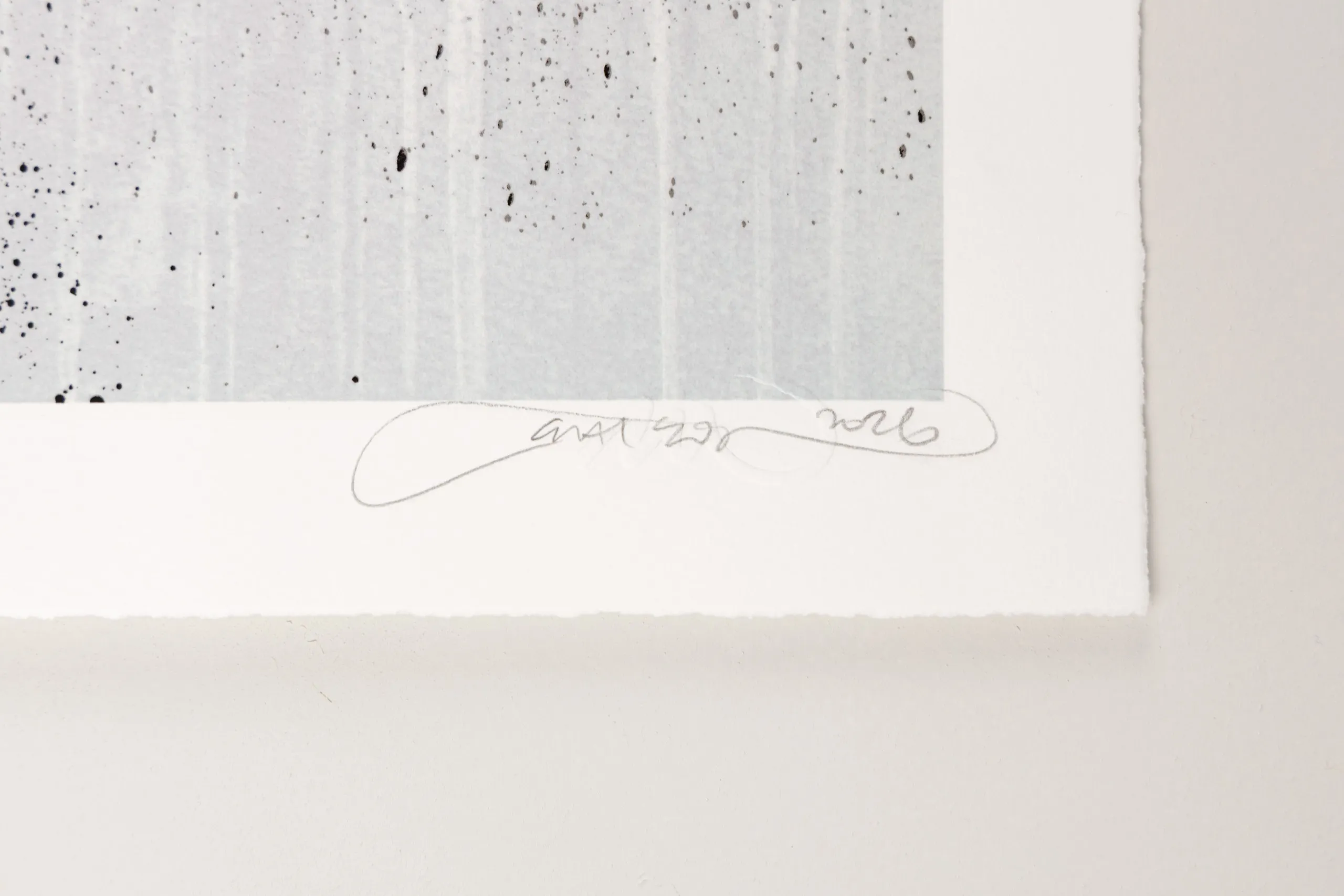
Most screen prints of any ambition are made with a printer or publisher — a studio that pulls the edition with or for the artist — so knowing who printed a work, and where, is part of both its provenance and its appeal. As Paper Matters moves from writing about prints to offering them, the screen prints in our own collection will sit alongside this guide, each documented down to the edition and the press.
The screen print in modern art
For its first half-century the screen print was treated as a commercial method with artistic potential rather than a fine-art medium in its own right. That changed in the 1960s — and it changed first through painting. In 1962 Andy Warhol began using photographic silkscreen on canvas — the Marilyns, the Death and Disaster series — drawn to exactly what had made the process suspect: its mechanical repetition, its borrowed images, its flatness. Robert Rauschenberg, after a visit to Warhol’s studio that same year, did much the same, silkscreening photographs into large, gestural paintings that carried him to the grand prize for painting at the 1964 Venice Biennale. Neither was making screen prints in this work — these were paintings that used the screen as a tool — but their embrace of a sign-shop technique pulled it abruptly into the centre of serious art.
The editioned screen print followed close behind. Warhol soon issued his images as signed, numbered portfolios; in Europe, the printer Luitpold Domberger pulled serigraphs from his Stuttgart studio for Victor Vasarely and Josef Albers, whose hard-edged geometric abstraction — Op art, in the language of the day — the screen could render with a flatness and exactitude no other process matched. Within a decade the screen print had gone from a commercial trade to a medium artists chose on its own terms.
The artists we collect
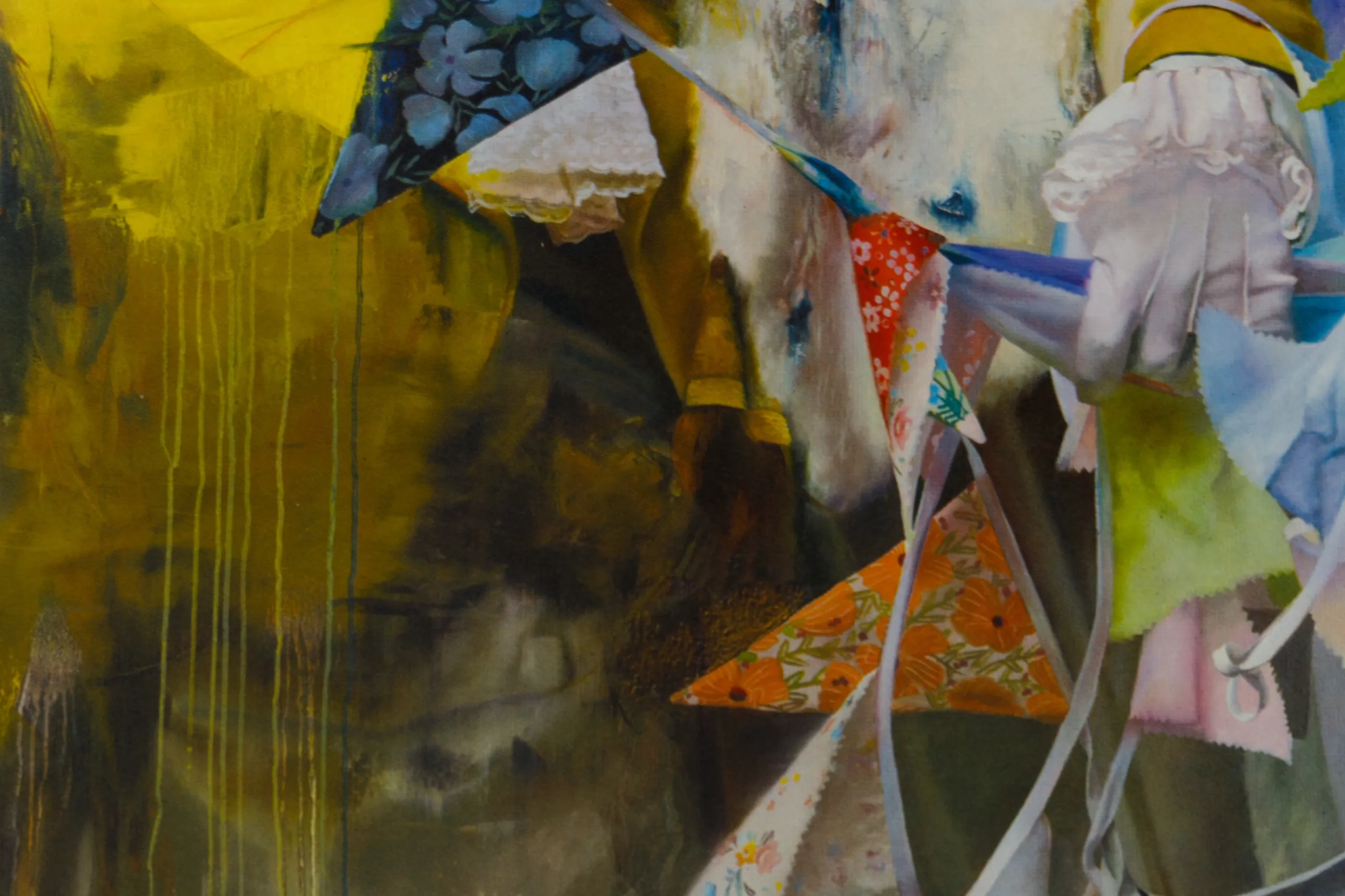
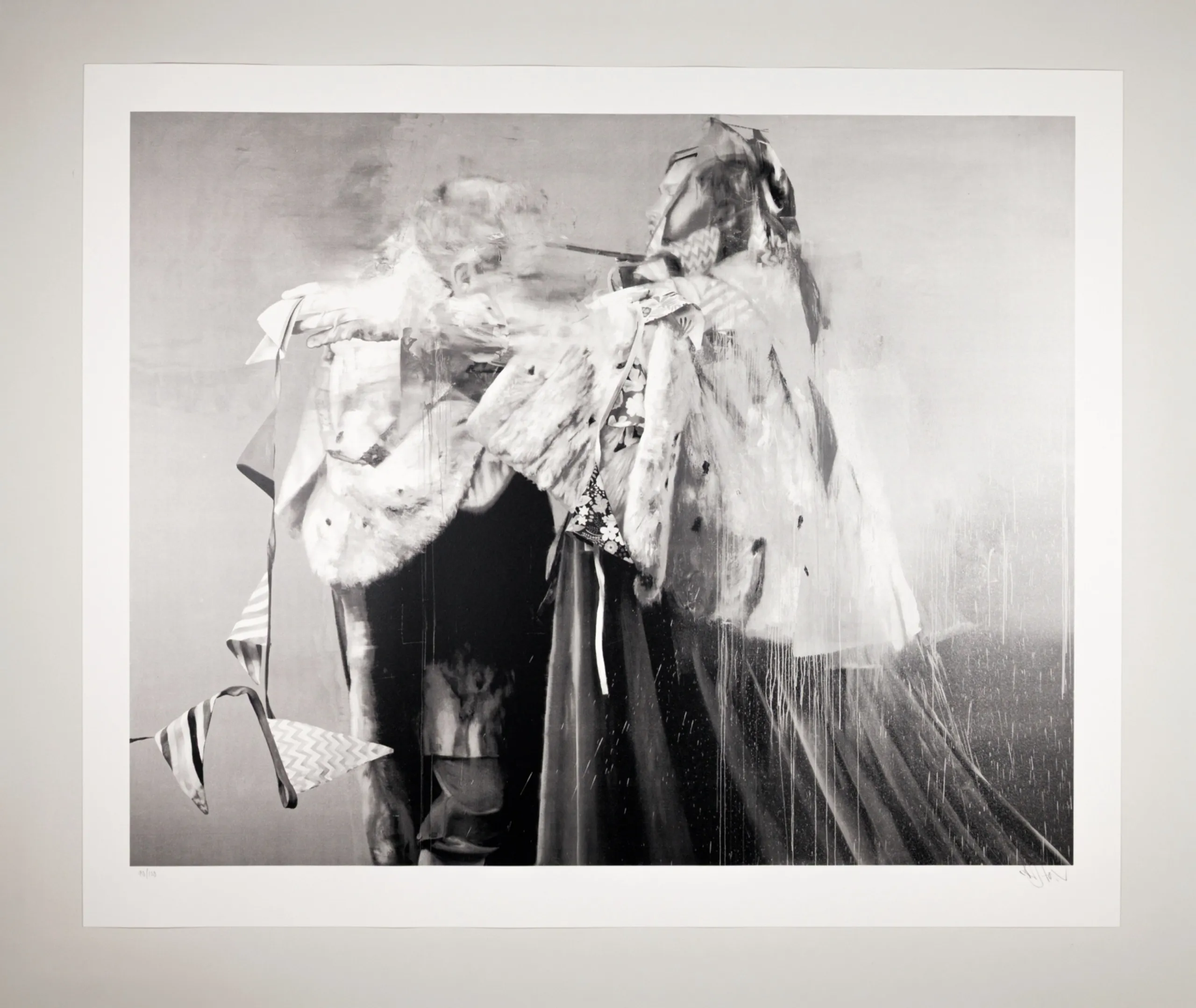
That lineage runs straight into the work we collect. The contemporary screen print has found a particular home in the street-art generation — artists, FAILE among them, who came up through stencils and graffiti and carried a printmaker’s discipline into the gallery. Conor Harrington brings the gravity of classical oil painting to the street, and into screen prints of real ambition — one recent edition was pulled in twenty-eight colours.
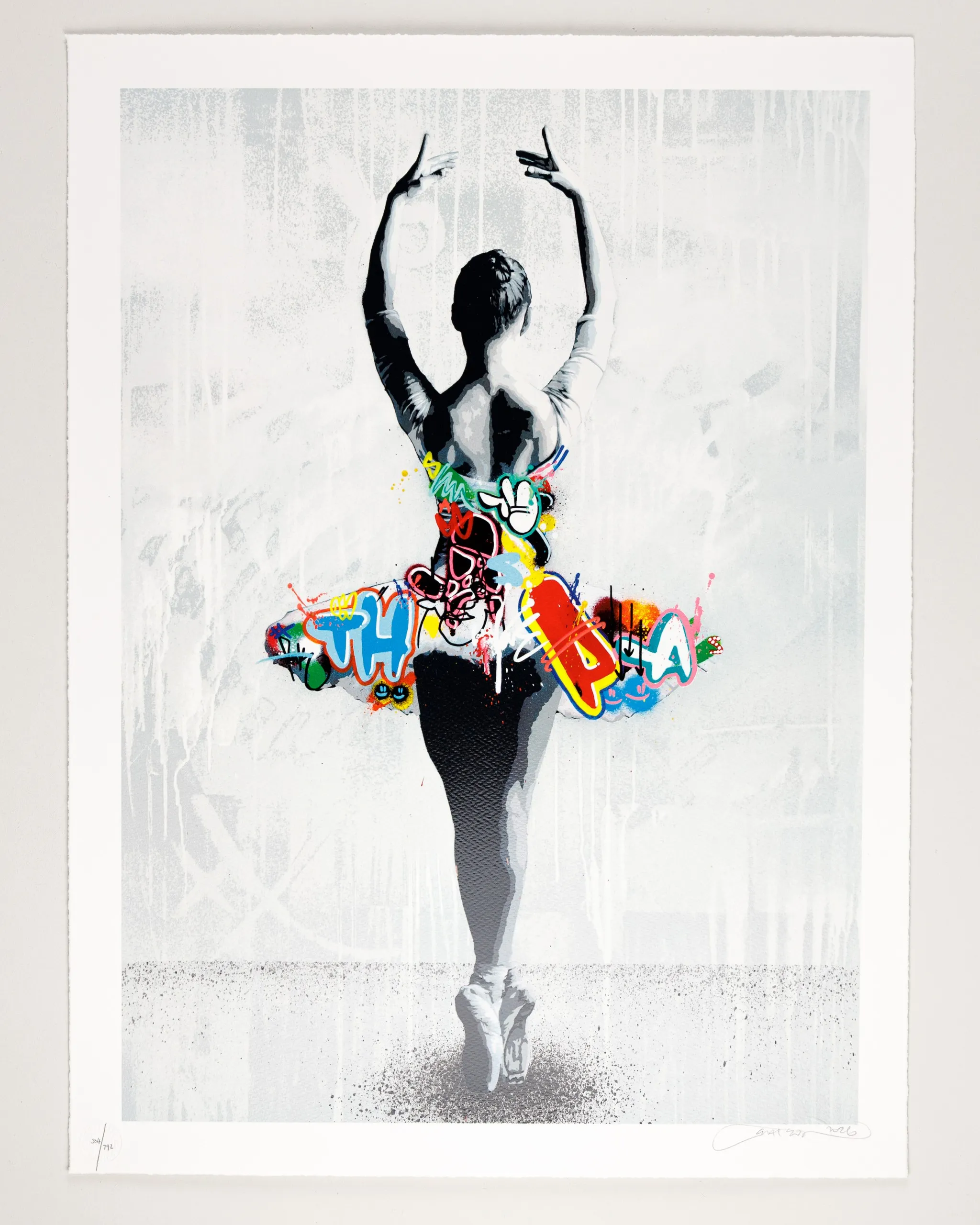
Martin Whatson works the other register, layering stencilled greys with sudden bursts of graffiti colour. Different as they are, both pull their editions by hand, treating the screen print not as a reproduction of a painting but as the work itself — and both are among the screen-print artists in our collection.
FAQs
How can you tell an original screen print from a reproduction?
An original screen print is one the artist conceived for the screen and issued as a hand-pulled limited edition — usually signed and numbered in pencil, with a record of who printed it. A reproduction is a photographic or digital copy of an existing work, most often a giclée inkjet print, output by machine. What separates them is not the look of the image but how it was made, and what the edition and paperwork actually claim.
Are screen prints valuable or collectible?
They can be. An original limited-edition screen print by a sought-after artist — signed, numbered, and in good condition — can hold and build value, with edition size, the artist's market, and provenance all playing a part. A commercial reproduction labelled "screen print" generally does not. As with any art, though, the soundest reason to buy one is that you want to live with it.
Is a "signed screen print" always an original?
No. A signature is one piece of the picture, not proof on its own — reproductions are signed as readily as originals, and a signature printed into the image is not the same as one the artist added by hand. What confirms an original is the whole account: a hand-pulled edition, a pencil signature and number, and a record of who printed it.